
Use cases / Textile
Use case: textile
AI quality control for textile production
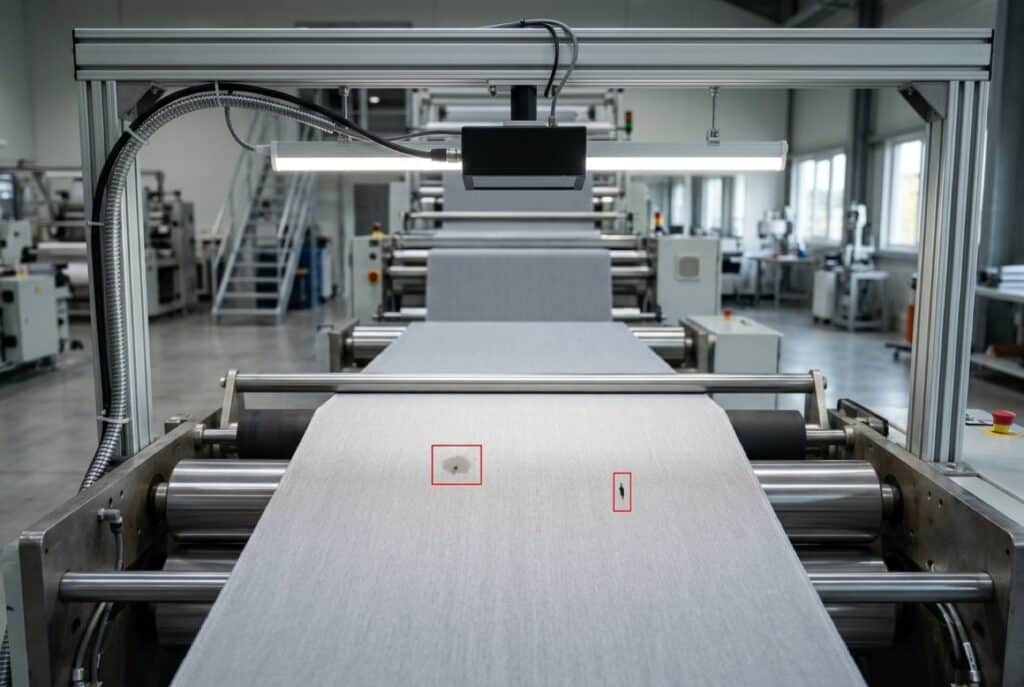
EasyODM detects defects on running fabric in real time, from holes and stains to wires and weaving faults.
What it detects
Fabric defects EasyODM can detect
Stains, tears, holes, knots, snags, pilling, uneven dyeing, misprints, fading, skewing, wrinkles and more.

Holes
Holes are identified accurately, protecting the integrity of the fabric.
Spots
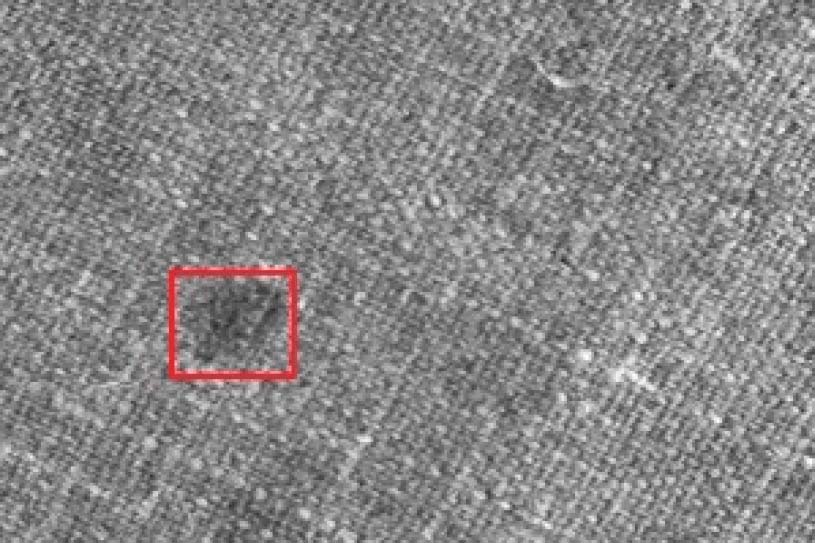
Spots and stains are detected early, enabling timely repairs and less waste.
Wires
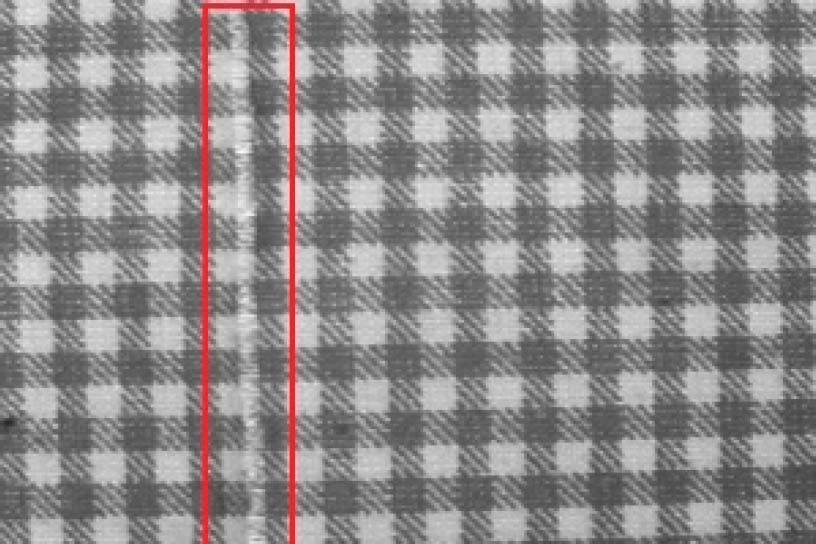
Wire defects are spotted, reducing defects in finished products.
Dyeing and print faults
Uneven dyeing, misprints and fading.
Weaving faults
Knots, snags, broken threads and pilling.
Skewing and wrinkles
Skewed patterns, wrinkles and seam slippage.
How it works
Running on your line in four steps
The same EasyODM software workflow applies to every product.
Capture
Industrial cameras take images of every product at line speed.
Label
Your quality team marks good and defective examples. No coding.
Train
EasyODM trains a model on your products and acceptance criteria.
Inspect
Every item is checked inline, with rejection, sorting or alerts.
Why EasyODM
Built for textile lines
Objective inspection
The same decision on every meter of fabric, every shift, without fatigue or subjectivity.
Real-time decisions
Results arrive inline, so defective items are removed before the next process step.
Fits your existing line
Works with your conveyors, PLCs and robots, without extra floor space.
Learns your product
The model keeps improving as your team confirms or corrects its decisions.
Quality data
Every defect is logged, so issues can be traced back to material or machines.
Lower cost of quality
Less manual inspection, less waste and fewer complaints reaching your customers.
FAQ
Frequently asked questions
Does EasyODM work with our existing cameras?
In most cases yes. EasyODM works with existing cameras and video setups, and no production line modifications are required.
How is the model trained?
Your quality team labels good and defective examples in the EasyODM interface. EasyODM then trains a model on your own products and acceptance criteria.
What happens when a defect is detected?
The item is flagged in real time. EasyODM can trigger rejection or sorting mechanisms, or alert an operator for manual review.
Can we test it on our own products first?
Yes. Book a consultation and we will discuss a feasibility check on your samples before any commitment.
Talk to an engineer
See EasyODM on your own fabric
Send us a few samples or images of your fabric. We will show you what EasyODM can detect.
- Free consultation with an engineer
- Live demo with your defect types
- Works with your existing cameras
Book a free consultation
Explore more